How psychology influences decision-making in casino environments
The Role of Emotion in Gambling
Emotion plays a crucial role in decision-making within casino environments. Gamblers often find themselves driven by feelings such as excitement, anticipation, and even anxiety. betting sites uk can greatly influence these emotions and, in turn, impact their choices. For instance, a player on a winning streak may feel exhilarated and opt to place larger bets, convinced that their luck will continue.

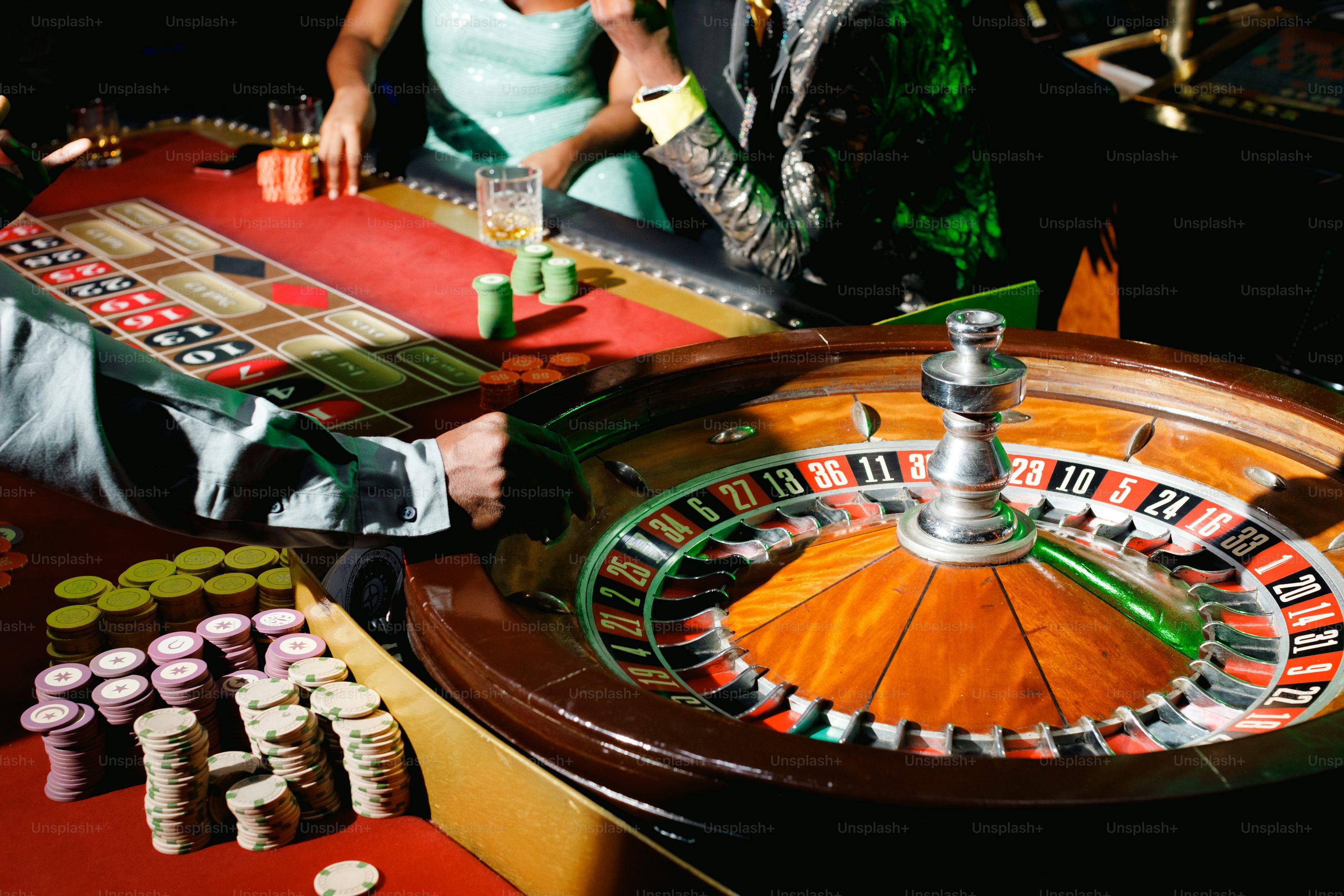
Moreover, the atmosphere of a casino is designed to evoke strong emotions. The vibrant lights, sounds of ringing slot machines, and the social interactions among players create an environment that amplifies these feelings. When emotions run high, they can cloud judgment, making it easier for players to overlook the odds and make irrational decisions.
Cognitive Biases in Betting Behavior
Cognitive biases also play a significant role in how individuals make decisions in casinos. Many gamblers fall prey to biases such as the illusion of control, where they believe they can influence the outcome of random games. This belief can lead to overconfidence in their abilities, encouraging them to take unnecessary risks.
Additionally, the gambler’s fallacy—a common cognitive bias—occurs when individuals believe that past outcomes influence future results. For example, a player may assume that after several losses, a win is 'due’ to happen. This flawed reasoning can result in poor decision-making, causing players to chase their losses rather than making logical choices based on the odds.
The Impact of Social Influences
Social influences significantly shape decision-making in casino environments. Group dynamics can alter individual choices, as players often mimic the behavior of others around them. For instance, witnessing others win can create a bandwagon effect, encouraging individuals to join in on high-stakes games even if they initially planned to play conservatively.
Furthermore, the social aspect of gambling can enhance the overall experience, making it more pleasurable and addictive. The interactions among players and the thrill of sharing wins and losses with others can lead to increased betting and a greater willingness to gamble. This social reinforcement can be a double-edged sword, as it may encourage responsible gambling for some, while pushing others into problematic behaviors.
The Effect of Environment and Design
The physical environment of a casino is meticulously crafted to influence decision-making. Elements such as layout, lighting, and sound all serve a purpose in enticing players to stay longer and gamble more. For instance, the layout of gaming machines is often designed to create a sense of accessibility and immediacy, prompting players to try their luck without much deliberation.
Moreover, the absence of clocks and windows can distort a player’s perception of time, making them unaware of how long they have been gambling. This disorientation contributes to prolonged play sessions and can lead to impulsive betting decisions, as players remain caught up in the thrill of the game without considering the risks involved.
Understanding Your Gambling Choices
To make informed decisions in a casino environment, it is essential to understand the psychological factors at play. By recognizing how emotions, cognitive biases, and social influences affect gambling behavior, players can develop strategies to mitigate impulsivity and improve their overall experience. This awareness can lead to more mindful decision-making and a greater understanding of personal limits.
For those seeking resources on responsible gambling, our website serves as a comprehensive guide. We provide insights and tips for navigating the complexities of casino environments while promoting a balanced approach to gaming. Whether you are a novice or a seasoned player, understanding the psychology behind decision-making can enrich your gambling experience and encourage responsible practices.
Dodaj komentarz